
Insulated Gauge Rod Manufacturer for Changsha Metro Line 2 West Extension
In 2025, Anyang Railway Equipment Co., Ltd. supplied 650 sets of insulated gauge rods for the Phase II track project of the Changsha Metro Line 2 West Extension.
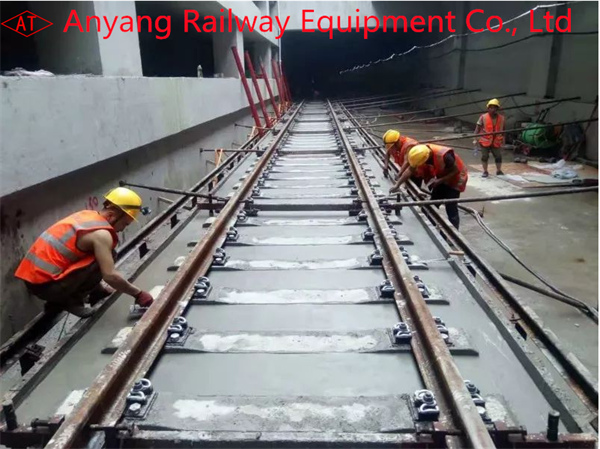
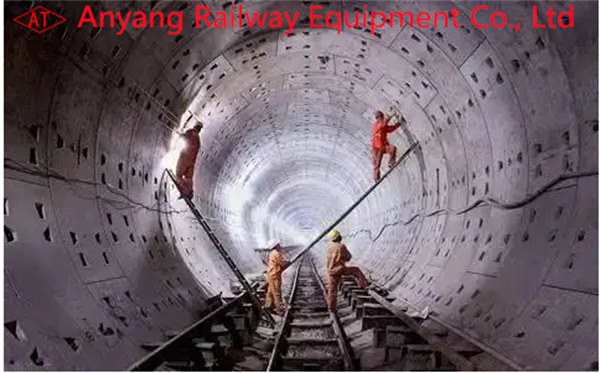
The Phase II track project for the Changsha Metro Line 2 West Extension begins at Changsha West Station and runs along Huizhi Road, Xuesong Road, and the central axis of Meixi Lake. It stretches 13.82 km and features 11 underground stations.
In 2025, Anyang Railway Equipment Co., Ltd. supplied 650 sets of insulated gauge rods for the Phase II track project of the Changsha Metro Line 2 West Extension.
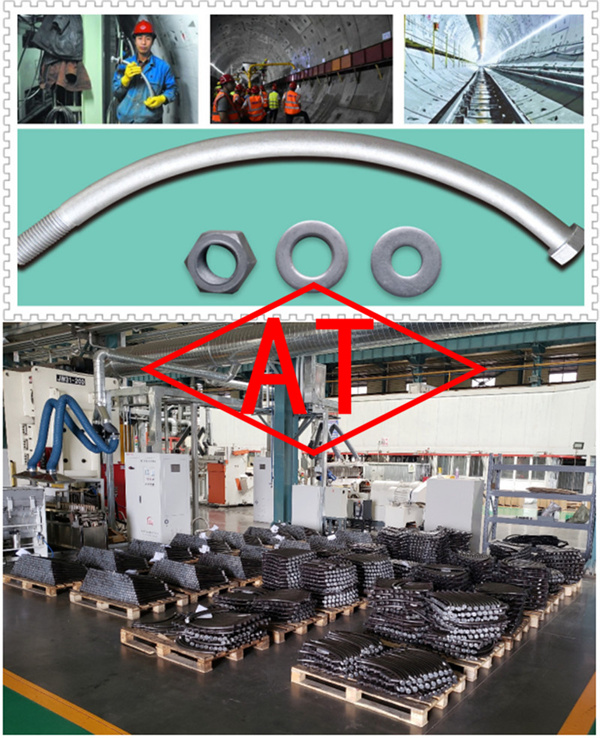
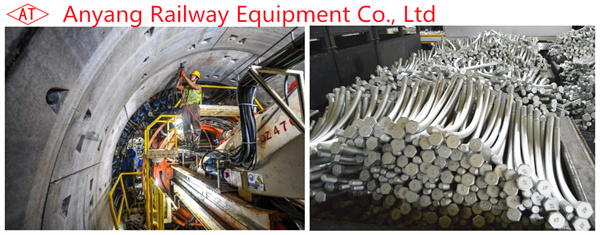
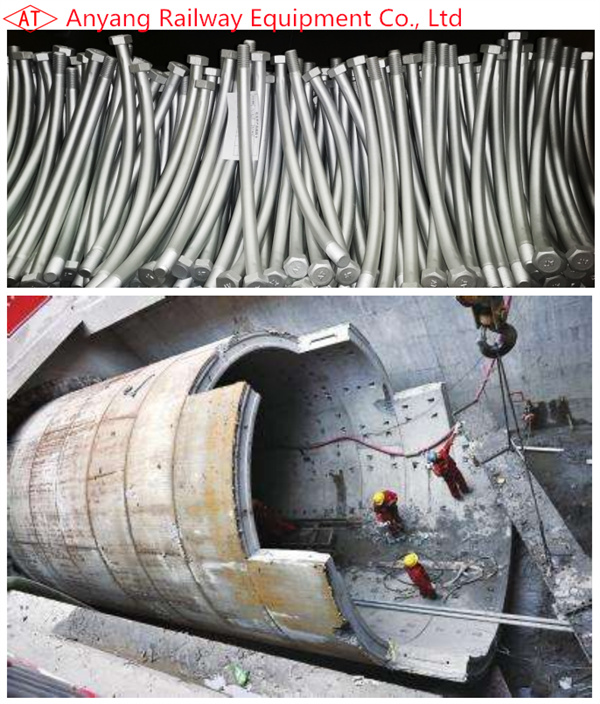
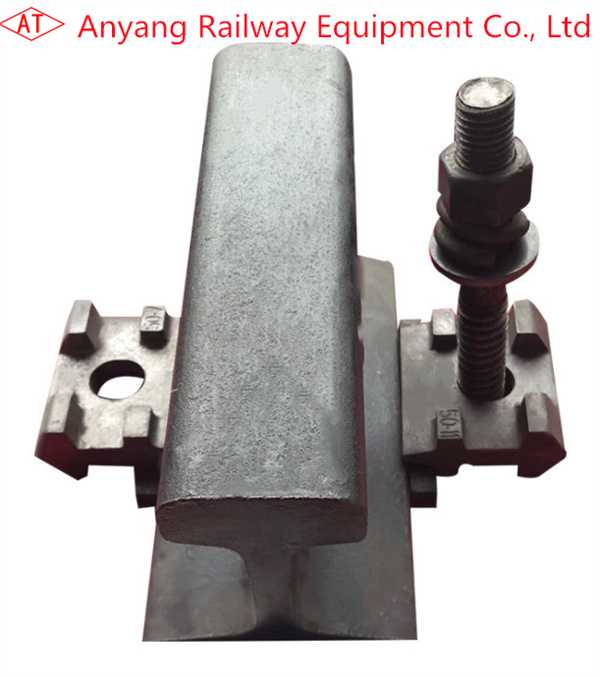
Insulated gauge rods consist of a rod body, sleeve, clamp, nut, flat washer, and spring washer, and are suitable for use in areas with existing track circuits.
The manufacture of gauge rods must comply with the design drawings and the requirements of TB/T 1780.
The operating ambient temperature for gauge rods is -40°C to +60°C.
The rod body and sleeve should be coated with one coat of primer and one coat of topcoat. 3.3. Main Technical Requirements
- Component Requirements
1) Component materials must comply with the following:
- a) The rod body must be made of No. 45 steel or other materials with a lower yield strength of not less than 355 MPa. Its performance must comply with GB/T 699 and related standards.
- b) The sleeve must be made of an insulating material melt-molded into a seamless steel tube. The seamless steel tube must be made of No. 45 steel or other materials with a lower yield strength of not less than 355 MPa. Its performance must comply with GB/T 8162 and related standards. The insulating material must be made of glass fiber-reinforced polyamide 66 or other materials with performance not less than that. The performance of the insulating material must comply with the requirements in the table below.
Insulator Material Properties
No. Item Requirement
1 Density g/cm³ 1.30-1.45
2 Melting Point °C 255-270
3 Tensile Strength MPa ≥150
4 Flexural Strength MPa ≥200
5 Unnotched Impact Strength kJ/m² ≥80
6 Notched Impact Strength kJ/m² ≥18
7 Volume Resistivity Ω·cm Dry ≥1×10¹⁴
Wet ≥1×10¹⁰
8 Glass Fiber Content 30%-35%
- c) The material of the iron clamp should be QT450-10. The properties of the pig iron used for ductile iron casting should comply with the requirements of GB/T 1412. 2) The appearance and marking of components must comply with the following requirements:
- a) The rod body must be free of defects such as cracks, dents, burrs, spots, scale, burns, etc., and the threads must be free of defects that would prevent free screwing.
- b) The seamless steel pipe used for the sleeve must be smooth in appearance, and the end cut must be free of cracks, dents, burrs, or spots.
- c) The clamp must be free of cracks, riser residue, sand buildup, scale, or internal residue.
- d) The clamp and rod body must have clearly visible, permanent manufacturer’s marks and product specifications. Insulated gauge rod sleeves must also be marked with the year and month of manufacture.
3) The thickness of the insulation material within the sleeve must be no less than 5mm and must be sealed with adhesive after connection to the rod body.
4) The insulation within the sleeve must be free of burrs, burrs, bubbles, or voids.
5) The tensile strength and elongation of the clamp must comply with GB/T 1348, and the spheroidization grade must be no less than Grade 3. 6) After the insulated gauge rod body and sleeve are assembled, the bending deflection should not exceed 3.0mm.
7) After the insulated gauge rod body and sleeve are assembled, the tensile strength should be not less than 300kN.
8) After the insulated gauge rod body and sleeve are assembled, the insulation resistance should be not less than 500MΩ in normal conditions and not less than 0.25MΩ in wet conditions.
9) After the insulated gauge rod body and sleeve are assembled, the performance should meet the following requirements after aging in a hot and humid environment and hot air aging tests: no loosening or extrusion; tensile strength should be not less than 300kN; insulation resistance should be not less than 400MΩ in normal conditions and not less than 0.2MΩ in wet conditions.
10) Flat washers should comply with GB/T 95, spring washers should comply with GB/T 93, and nuts should comply with GB/T 41.
2.Fatigue Performance of Insulated Gauge Rods
After assembly, insulated gauge rods must undergo fatigue testing. They must show no signs of breakage or loosening. The tensile strength of the rod body after testing must be no less than 300 kN. The insulation resistance must be no less than 500 MΩ in normal conditions and no less than 0.20 MΩ in damp conditions.
- Test Methods
Component testing of insulated gauge rods and fatigue testing of insulated gauge rods must comply with the relevant provisions of TB/T 1780-6, “Test Methods.”